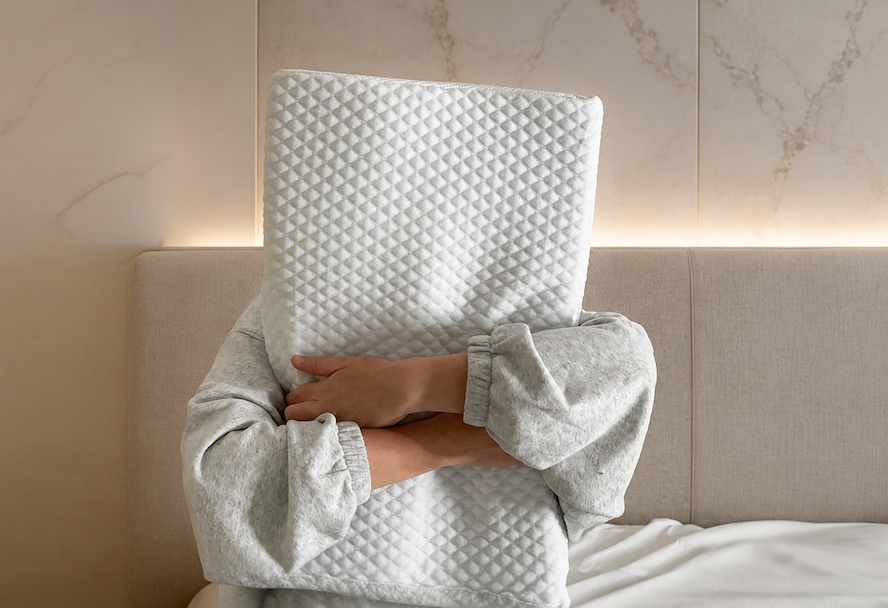
Lying awake at 2:47am, listening to my husband snoring peacefully beside me, I found myself wondering where I’d gone wrong. I can’t remember the last time I properly slept through the night. Whether it’s being nudged awake by a child, or just that light, alert sleep that seems hardwired into me, rest is interrupted most nights.
I’ve even found myself messaging older friends or chatting to my mum about it, asking if this strange 2am or 3am wake up is normal. The response? A slightly sympathetic smile and a “it gets worse.”
If this sounds familiar, you’re not alone. Understanding the causes of insomnia in females can be the first step toward getting better rest, especially when hormones are involved.
Why Insomnia Is More Common in Women
Research consistently shows that women are more likely to experience insomnia than men. A big reason for this comes down to hormonal fluctuations. Across life stages like menstruation, pregnancy, and menopause, our hormones are constantly shifting, and sleep often shifts right along with them.
In our younger years, sleep disruption might show up as premenstrual restlessness. After pregnancy, I personally experienced intense night sweats, as my hormones were out of whack and struggling to find their balance again.
Later on, during perimenopause and menopause, sleep disruption can become more persistent and frustrating. For many women, midlife is when sleep really starts to feel different, lighter, more broken, and harder to rely on. Hence my mum’s warning of “it gets worse”.
What Is Hormonal Insomnia?
Hormonal insomnia is essentially sleep disruption caused by changes in hormone levels, particularly estrogen and progesterone.
These hormones play a bigger role in sleep than most of us realise. Estrogen helps regulate body temperature and supports the production of serotonin, which affects mood and sleep quality. Progesterone has a naturally calming effect.
When these hormones fluctuate or decline, which they do significantly during perimenopause and menopause, it can throw off your sleep cycle, increase night waking, and make it harder to fall or stay asleep.
Causes of Insomnia in Females
Hormonal Fluctuations
One of the biggest causes of insomnia in females is the constant ebb and flow of hormones. During perimenopause, especially, estrogen and progesterone levels can swing unpredictably.
One night you might sleep fine, the next you’re wide awake at 3am staring at the ceiling. This inconsistency is one of the most frustrating parts. It’s not just poor sleep, it’s unpredictable sleep.
Night Sweats and Hot Flushes
If you’ve ever woken up feeling like you’re suddenly in a sauna, you’ll know how disruptive this can be. Night sweats and hot flushes are classic symptoms of hormonal change and one of the main reasons for insomnia during menopause.
I remember having night sweats after each of my pregnancies, waking up drenched and throwing the covers off in the middle of the night. At the time I didn’t fully connect it to hormones, but looking back, it makes complete sense. These sudden temperature shifts can pull you out of deep sleep multiple times a night, leaving you exhausted even if you’ve technically been in bed for hours. For me, waking up in damp sheets woke me up feeling very uncomfortable and added to my stress levels, knowing i’d have to add them to my always-increasing laundry pile.
Increased Anxiety and Mood Changes
Hormones don’t just affect the body, they affect the mind too. Fluctuating estrogen levels can impact brain chemistry, leading to increased anxiety, low mood, or that familiar late night overthinking spiral.
I’ve had nights where I’ve replayed conversations from years ago or mentally rewritten tomorrow’s to do list at 4am. It’s exhausting, and it’s very real. Hormonal insomnia often goes hand in hand with these emotional shifts.
Ageing and Circadian Rhythm Changes
As we age, our sleep patterns naturally change. We spend less time in deep sleep and wake more easily.
This means even small disturbances can wake us fully, whether that’s a child stirring, a partner turning over, or just our own thoughts creeping in. And once we’re awake, getting back to sleep can feel like a challenge.
Other Sleep Disruptions
Not all sleep problems are directly caused by hormones. Conditions such as sleep apnea and restless legs syndrome can also play a significant role in disrupted sleep, and many women don’t immediately realise they may be experiencing them.
Sleep apnea happens when breathing repeatedly pauses during sleep, often leading to snoring, gasping, or waking feeling unrefreshed. It can be linked to factors such as ageing, weight changes, stress, and hormonal shifts. Restless legs syndrome causes an uncomfortable urge to move the legs, usually in the evening or during the night, making it difficult to properly settle. This can sometimes be connected to iron deficiency, pregnancy, stress, or changes in circulation and nerve function.
Pain is another major contributor to broken sleep, particularly neck, shoulder, hip, and lower back discomfort. Even mild physical tension can lead to repeated waking throughout the night without fully realising it.
Perimenopause and Menopause
Here’s something many women aren’t told. Sleep issues often begin during perimenopause, not menopause itself.
Perimenopause can start years before menopause and is marked by fluctuating hormones. According to the Groove Pillows Sleep and Impact report, the problems start in the 40s-50s, with 63% of survey participants saying their sleep declined in this period. Over half of postmenopausal women also reported ongoing sleep issues.
Common patterns include waking in the night, very light or broken sleep, and that frustrating feeling of being tired but wired. You might technically be in bed for eight hours, but still wake up feeling like you barely slept.
Can Hormonal Insomnia Be Fixed?
The honest answer is that it’s not always a quick fix, but it is manageable.
Small lifestyle changes can make a difference. Reducing caffeine, keeping a consistent bedtime, and creating a calming wind down routine all help support better sleep.
Some women explore support through their GP, hormone therapy, or with an osteopath specialising in pain. On the Groove Pillows blog, osteopath Dr David McCabe explains how to relieve hip and back pain that’s contributing to waking you up.
Another thing that’s often overlooked is your sleep setup. The right pillow can make a noticeable difference in how comfortable and supported you feel throughout the night.
If you find yourself constantly shifting position or waking with aches, something like the Groove adjustable pillow could help. Being able to adjust the height and support can reduce physical disturbances that wake you up.
For side sleepers, especially if you’re dealing with hip or lower back discomfort, the Groove combination pillow can help keep your body aligned and reduce tossing and turning.
Final Words
Hormonal insomnia is real, and for many women, it becomes more noticeable during perimenopause and menopause. If you’re lying awake at night wondering why sleep suddenly feels so difficult, there’s a valid reason behind it.
You’re not imagining it, and you’re definitely not alone. The Groove Pillows Sleep and Pain Impact Report showed that most of the UK population is experiencing the same issue.
While hormones and life stages can’t always be controlled, creating a more supportive sleep environment can help make nights feel more comfortable and restorative.
The Groove Adjustable Pillow is designed to provide personalised support that adapts to different sleeping positions, while a supportive knee pillow can help improve alignment and reduce pressure through the hips and lower back, especially for side sleepers. Or you could even try the new Groove® Air Cooling Pillow, our high-tech air cooling technology makes for a memory foam pillow that stays cool all night.
When sleep already feels fragile, comfort matters more than ever.