Medically reviewed by Aliese Oxenham, RN
Did you know that over 68% of women experience muscle (Chuni & Sreeramareddy, 2011) and joint discomfort during menopause?
For many, aching legs during menopause become an unwelcome but all-too-common symptom that disrupts daily life and sleep alike.
Whether you're feeling aches in your calves, stiffness in your knees, or a dull throb in your thighs, you're not alone. Let's examine the causes and best menopause leg pain treatment options.
What Does Menopause Leg Pain Feel Like?
Menopause leg pain can feel like deep aches, throbbing, stiffness or muscle cramps. It's often worse at night or after being still for too long.
Some women even describe it as a restless sensation or tingling that won’t quite go away. Menopause leg cramps at night might affect just one leg, or both, and can even radiate from the hips downwards.
Why Is Leg Pain Common During Menopause?
Falling estrogen levels are the main cause of menopausal leg pain. Estrogen regulates reproductive health and supports muscle function, joint flexibility, and connective tissue health.
As your estrogen levels drop, you might find that joints become stiffer, muscles tire more easily, and inflammation creeps in, leading to low-estrogen leg cramps.
Menopause often brings vasomotor symptoms (e.g., hot flushes and night sweats) that can disrupt sleep and trigger stress. Poor sleep and high cortisol levels can actually worsen pain perception and slow down physical recovery, leading to more aches and fatigue. It’s all unfortunately linked.
Scientific research highlights just how common this is. Studies have found that leg pain affects a significant number of women during the early stages of menopause, with 70% of women experiencing musculoskeletal pain (Wright et al., 2024). This happens particularly around perimenopause when hormone fluctuations are at their most unpredictable.
How to Relieve Leg Pain During Menopause
Knowing how to relieve leg pain during menopause will ensure more comfort day and night. From better sleep hygiene to nutrition, here are some ways to find relief.
Lifestyle Changes
First, lifestyle changes can be made to improve leg pain symptoms.
Daily movement helps improve joint mobility and circulation, while strengthening exercises can support muscle function and reduce strain on joints. Staying well-hydrated with adequate daily water intake is also key, as it keeps tissues lubricated and helps prevent muscle cramps. Maintaining a healthy weight also relieves pressure on the lower body, therefore also relieving menopausal leg aches.
Lifestyle changes aren’t just about getting active! Don’t underestimate the power of relaxation. Self-care, such as warm baths, gentle stretching, and mindful breathing, can also ease tension and boost circulation.

Hormone Replacement Therapy (HRT)
HRT is often used to manage broader menopause symptoms, but it can also help reduce joint and muscle discomfort, including stiffness and tendon aches, by restoring estrogen levels.
However, it's not a cure-all solution, and you must discuss the risks and benefits with your GP to determine whether it’s appropriate for your health.
Pain Management
Over-the-counter pain killers, like ibuprofen or paracetamol, and topical creams with anti-inflammatory ingredients can help with temporary leg pain.
But you shouldn’t rely on these for over four days. In this case, speak to your pharmacist for advice (NHS inform, 2024).
Sleep Hygiene
Poor sleep makes pain worse, and pain makes sleeping even harder. Want to truly recharge?
Start with the right pillow and mattress.
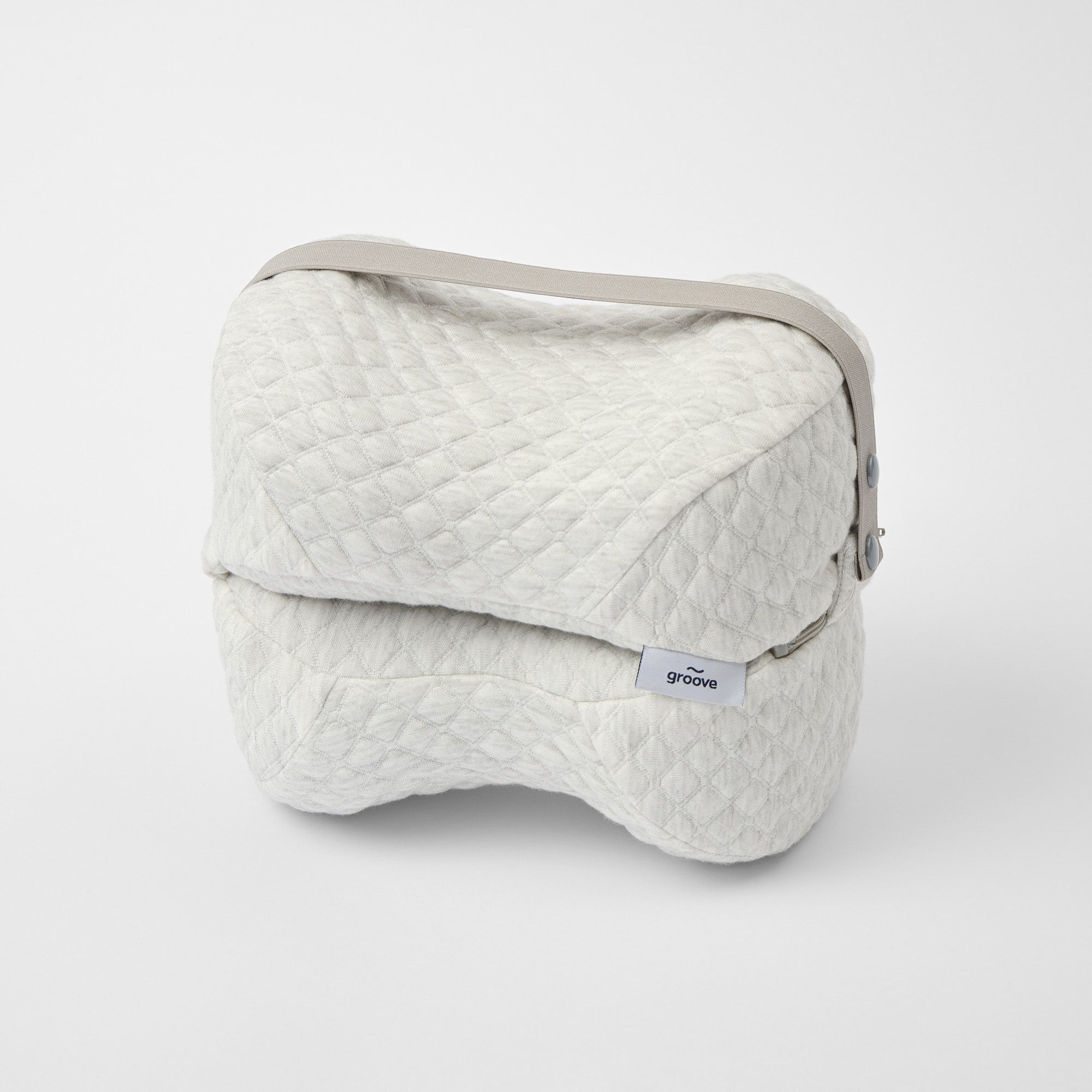
Shop Groove Combination Knee Pillow
The Groove Combination Knee Pillow is designed to support your hips, knees, and legs, promoting proper alignment and helping to relieve pressure overnight. Alternatively, the Groove Adjustable Pillow allows you to completely tailor memory foam support to your bespoke body needs.
Remember to pair any sleep aids with a calming evening routine for maximum effect.
Nutritional Support
A balanced diet is key to health, but you should also strive for a diet rich in calcium, magnesium, omega-3s, and vitamin D, as these can support bone and muscle health.
Many women also benefit from magnesium supplements,which help support normal muscle function and promote sleep health (Arab et al., 2022).
Alternative Therapies
Some women find support with acupuncture, physical therapy, or chiropractic care.
These therapies can support body alignment, release muscle tension, and promote overall well-being. However, for the best experience, always work with registered professionals.
Individual Treatment Plans
As a last note, remember that what works for one woman may not work for another.
For the best results, always prioritise an individualised treatment plan tailored to your specific symptoms, lifestyle, and health history.
When to Consult a Healthcare Professional
While many women rely on at-home self-care strategies for leg discomfort, you should seek medical advice if the pain is persistent or getting worse, if it interferes with your ability to walk, sleep, or work, or if you notice swelling, redness, or warmth in the leg.
Your GP can rule out other causes, recommend treatment options, and refer you to a specialist if needed.
Last Thoughts
Menopause leg pain is a frustrating part of this hormonal transition.. Fortunately, gentle lifestyle changes can help manage night-time discomfort from home.
Don’t forget to use supportive bedding, such as the Groove Combination Knee Pillow, tto help keep your body in comfortable alignment, relieve pressure, and enhance sleep comfort throughout the night.
See the Groove Pillows range online now like our new The Groove® Air Cooling Pillow designed to help regulate temperature and offer extra comfort for women experiencing night sweats and hot flushes.
Or visit the Sleep Resources Hub for more expert guidance.
Shop Groove Combination Knee Pillow
About The Reviewer
Aliese Oxenham is a Registered Nurse and experienced Lead Nurse with a background in clinical care, health communications, and medical content review. She specialises in translating complex clinical evidence into accessible, actionable guidance for consumer health and wellness. As an independent health reviewer and medical writer, Aliese curates evidence-based content across digital platforms, including her blogs https://medsniff.com/ and https://probiotics.tips/
References
- Arab, A., Rafie, N., Amani, R. and Shirani, F. (2022). The role of magnesium in sleep health: A systematic review of available literature. Biological Trace Element Research, [online] 201(1). doi:https://doi.org/10.1007/s12011-022-03162-1.
- Chuni, N. and Sreeramareddy, C.T. (2011). Frequency of symptoms, determinants of severe symptoms, validity of and cut-off score for Menopause Rating Scale (MRS) as a screening tool: A cross-sectional survey among midlife Nepalese women. BMC Women’s Health, 11(1). doi:https://doi.org/10.1186/1472-6874-11-30.
- NHS inform. (2024). When should I take painkillers? [online] Available at: https://www.nhsinform.scot/illnesses-and-conditions/muscle-bone-and-joints/when-should-i-take-painkillers/.
- Wright, V.J., Schwartzman, J.D., Itinoche, R. and Wittstein, J. (2024). The musculoskeletal syndrome of menopause. Climacteric: The Journal of the International Menopause Society, [online] 27(5), pp.1–7. doi:https://doi.org/10.1080/13697137.2024.2380363.