Medically Reviewed by Aliese Oxenham, RN
Bicep tendonitis occurs when the tendons connecting your bicep muscle to the shoulder become inflamed, often causing aching, stiffness, and sharp pain.
This can make it difficult to find a comfortable position at night, leaving you tossing and turning and struggling to get a restful sleep. Different forms of tendonitis even cause around 70,000 Americans to miss work every year (Ricci, 2023).
Adjusting how to sleep with bicep tendonitis is key to easing discomfort. Here’s what you need to know.
Best Sleeping Positions for Bicep Tendonitis
Finding a bicep tendonitis sleeping position may feel impossible, but these are the best options for those suffering with this issue.
Back Sleeping with Arm Support
Sleeping on your back helps avoid direct pressure on the injured shoulder.
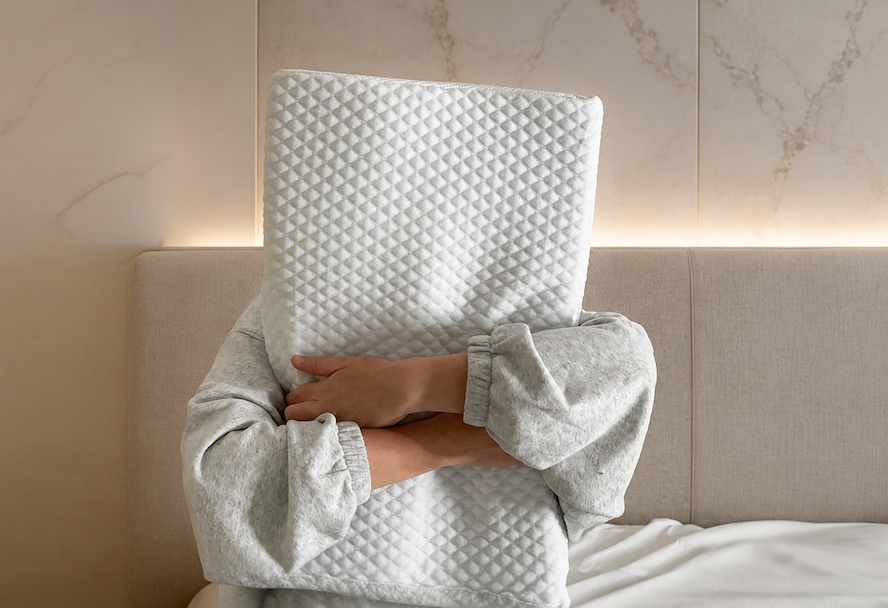
Use a supportive neck pillow, such as the Groove Adjustable Pillow, to keep your neck and spine in a neutral position.
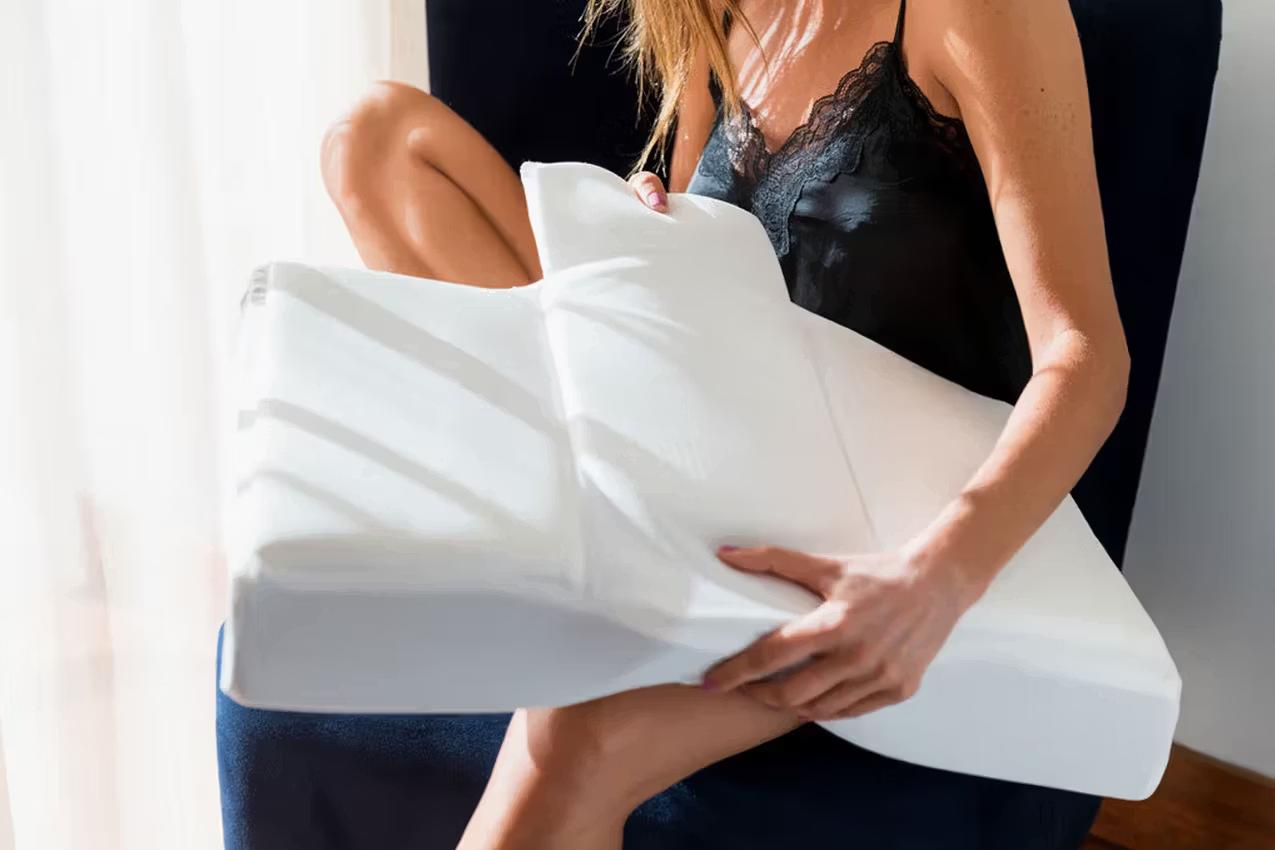
Then, place a pillow under your forearm or elbow to gently elevate the arm and prevent the shoulder from pulling backward. A Combination Pillow works well for this, offering soft, stable support for the arm throughout the night.
Side Sleeping with Full Arm Support
If side sleeping feels more comfortable, lie on your non-painful side and support the injured arm in front of your body.
Hugging a body pillow helps support the arm, shoulder, and chest together, preventing the shoulder from rolling forward or collapsing during sleep.
For extra comfort, the Groove Body Pillow provides full-length support, keeping the shoulder and arm in a neutral, relaxed position while maintaining spinal alignment.
Sleeping Positions To Avoid With Bicep Tendonitis
Sleeping with biceps tendonitis is also about knowing what not to do! Here are some sleeping positions to avoid:
- Sleeping directly on the painful shoulder: This compresses the tendon and increases pain.
- Sleeping with the arm overhead: Extending the arm can strain the tendon and surrounding muscles.
- Stomach sleeping with arms under the pillow: This twists the shoulder and places extra pressure on the tendon.
- Letting the arm hang off the bed: Unsupported arms pull on the shoulder and worsen discomfort.
Avoiding these positions can prevent additional strain and allow the tendon to recover more comfortably overnight. Try them out and make a note of which bicep tendonitis sleeping position feels best for you.
How To Set Up A Shoulder-Friendly Sleep Position
Alongside watching out for your biceps, it’s helpful to also consider shoulder tendonitis sleep position options.
- Choose a supportive pillow for neck alignment: A firm pillow keeps the head and spine neutral, reducing shoulder tension.
- Support the injured arm with a pillow: Whether using a Combination Pillow or Groove Body Pillow, gentle elevation protects the tendon.
- Sleep on your back or non-painful side: These positions reduce direct pressure on the affected shoulder. However, make sure you side sleep properly to avoid shoulder pain.
- Keep the shoulder relaxed and supported: Avoid positions that twist or extend the arm unnecessarily.
In addition to adjusting your sleep positions, gentle stretching before bed or applying a warm compress can help relax muscles and reduce discomfort.
Some professionals even suggest other non-surgical treatments like dry needling and strengthening excersises (Varacallo and Mair, 2023), but more reearch is needed for some.
Likewise short, controlled movements of the shoulder or forearm may also ease stiffness. A physiotherapist can provide personalised advice — always check-in with a professional before trying out a new routine.

FAQs
Can I Sleep on My Stomach With Bicep Tendonitis?
Stomach sleeping is not recommended for biceps tendonitis as it places pressure on the shoulder and can aggravate the tendon.
Why Is Bicep Tendonitis Worse at Night?
Pain often feels worse at night because the shoulder is at rest and any inflammation or tension in the tendon becomes more noticeable.
How Do I Relax My Bicep Tendonitis?
Gentle stretches, heat therapy, keeping a healthy, non-twosted position, and supporting the arm with pillows can help relax muscles and reduce strain on the tendon at night.
How Long Does It Take for Biceps Tendonitis To Heal?
Recovery typically takes a few weeks to a few months, depending on severity and adherence to rest and rehabilitation exercises. If the pain worsens or doesn’t go away, consult a medical professional.
Should You Massage Bicep Tendonitis?
Light massage can relieve tension and improve blood flow, but it should be gentle to avoid aggravating the tendon.
Last Thoughts
Learning how to sleep with bicep tendonitis can make a real difference in comfort and recovery, and hopefully, this article has given you options to explore.
Remember, using supportive pillows keeps the shoulder and arm aligned, reduces strain, and allows the tendon to rest. With the right setup and gentle routines, you can get more restful sleep and wake up feeling less achy, helping your shoulder heal more effectively.
Start exploring supportive pillow options today
About the Reviewer
Aliese Oxenham is a Registered Nurse and experienced Lead Nurse with a background in clinical care, health communications, and medical content review. She specialises in translating complex clinical evidence into accessible, actionable guidance for consumer health and wellness. As an independent health reviewer and medical writer, Aliese curates evidence-based content across digital platforms, including her blogs https://probiotics.tips/ and https://medsniff.com/.
References
- Ricci, P. (2023). Tendonitis - Mobility Bone & Joint Institute. [online] Mobility Bone & Joint Institute. Available at: https://mobilityboneandjoint.com/tendonitis-2/.
- Varacallo, M. and Mair, S.D. (2023). Proximal biceps tendinitis and tendinopathy. [online] PubMed. Available at: https://www.ncbi.nlm.nih.gov/books/NBK533002/.
Disclaimer & Disclosure Statement
This article was independently reviewed for clinical accuracy and general medical alignment by Aliese Oxenham, RN, who received financial compensation from Groove for her time in conducting this review.
Medical Disclaimer
The medical review of this content ensures general accuracy regarding anatomy, physiological concepts, and general wellness practices at the time of publication. This review does not constitute an endorsement of specific commercial products, nor does it establish a nurse-patient relationship with any reader.
The information provided on this website is for educational and informational purposes only and is not a substitute for professional medical advice, diagnosis, or treatment. Always consult a qualified healthcare provider with any questions regarding a medical condition, back pain, or musculoskeletal injury. Never delay seeking professional medical care because of something you have read on this site. Groove products are non-medical, ergonomic consumer sleep aids designed to support comfort and natural posture; they are not intended to diagnose, treat, cure, or prevent any medical condition.