

Why Is My Face Puffy In The Morning? (And How to Fix It)
Author, Zoe Griffin
There are mornings when I wake up, catch my reflection and think, who is this person looking back at me? It feels like I went to bed looking one way and woke up looking slightly different.
I first noticed it in my twenties after the occasional heavy night out, when my face looked a little more inflated than the night before. But I’ve also had a puffy face after crying over an ex or a failed job interview just before bed. More recently, in my thirties, it’s happened on completely ordinary mornings where nothing obvious explains it.
By the time I’ve had a glass of water and got dressed, it usually settles, but it’s enough to make me feel self-conscious.
I’ve seen plenty of products promising to fix it, from caffeinated eye creams to face rollers, but not all of them worked for me. It was only when I started looking into what actually causes a puffy face that I found ways to manage how I look when I wake up.
Why Your Face Looks Puffier in the Morning
In my quest to understand the triggers for a puffy face in the morning, I came across a great YouTube video by dermatologist Dr Sam Ellis.
She explained that when you’re upright during the day, gravity helps keep things moving. When you lie flat for hours, that movement slows, and fluid can settle more easily in the face, especially around the eyes.
This overnight fluid retention, combined with reduced drainage while you sleep, creates that slightly swollen look in the morning. It’s also more noticeable on the face because the skin around the eyes is thinner, so even small changes show up more clearly.
Why Does My Face Swell When I Sleep?
Sleep position is what tends to make it look like your face has swollen while you slept.
When you’re lying on your side or front, you’re putting pressure on your face.
Dermatologist Dr Ingky explains: “If you sleep on your front or on your sides, you’re compressing one side of your face against a pillow for long hours, which can trap fluid and contribute to puffiness.”
I’ve noticed this myself. The side I sleep on often looks slightly puffier in the morning, which makes sense given it’s been under pressure for hours.
Even back sleeping can contribute if your head isn’t elevated. Without that lift, fluid isn’t encouraged to drain away.
How Your Pillow Could Be Making It Worse
As a journalist, I’ve tested a lot of pillows, including memory foam and orthopaedic designs. I’ve noticed that height and fillings affect puffiness.
Flat pillows are a common issue. If your head is level with your body, there’s nothing helping fluid move away from your face overnight.
Support matters too. If a pillow lets your head sink or tilt, it can create uneven pressure. That’s when one side of your face looks puffier than the other.
Then there’s the pillowcase. I was given a silk pillowcase as a gift a few years ago and never really went back. Compared to cotton, it feels smoother and creates less friction, so your skin isn’t being pressed into the fabric in the same way.
Shop Groove Skincare PillowHow To Avoid A Puffy Face In The Morning
To avoid a puffy face in the morning, focus on how your face is supported during sleep.
The first factor is elevation. When your head is slightly raised, fluid is less likely to collect around the eyes and cheeks overnight. I found that stacked pillows weren’t consistent, as they shift. An adjustable option like the Groove adjustable pillow allows you to maintain a stable height, which makes a noticeable difference.
Sleep position also affects puffiness. Back sleeping reduces pressure on the face, which helps prevent fluid building unevenly. When I sleep on my back, my face looks more balanced in the morning.
For side sleepers, the key is reducing compression. A pillow that keeps your head aligned without tilting or sinking too far helps limit pressure on one side of the face. This reduces the chance of waking up with one side looking puffier than the other.
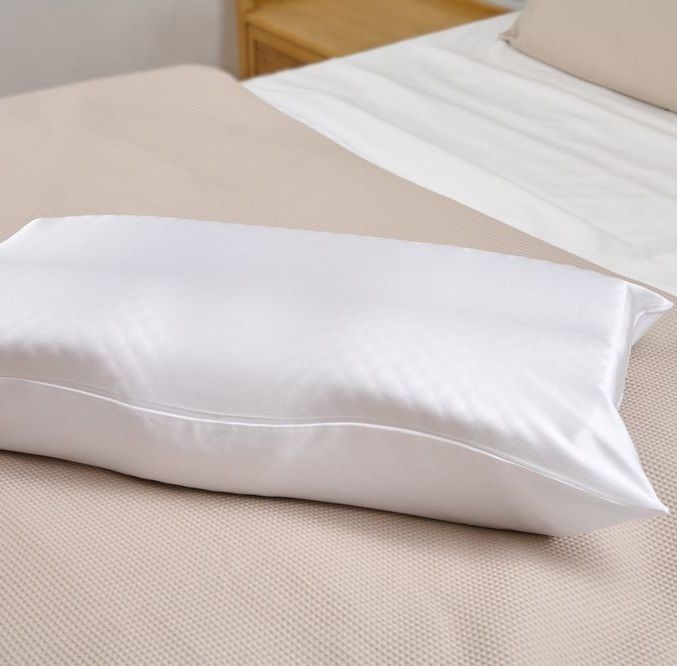
Fabric plays a role as well. Cotton creates friction and absorbs moisture, including skincare. Silk creates less resistance and allows the skin to move more freely against the surface. Using something like the Groove skincare pillow and silk pillowcase reduces friction and pressure over several hours of sleep.
Other Factors That Can Make Morning Puffiness Worse
Tweaking your lifestyle, as well as your sleeping position, could help reduce morning puffiness.
High salt meals can cause the body to retain water, which shows up in the face overnight. Alcohol disrupts fluid balance and sleep quality, which can increase puffiness the next morning.
Dehydration can also lead the body to hold onto fluid. I’ve noticed that if I go to bed without drinking enough water, I’m more likely to wake up looking puffy.
Allergies and sinus congestion can increase inflammation around the eyes, and hormonal changes can affect how fluid is distributed.
Final Words
In my quest of how to avoid puffy face in the morning, what made the biggest difference for me was adjusting how I slept. I recommend these quick wins:
- Keep your head slightly elevated to help fluid drain away
- Use a supportive pillow that maintains a consistent height
- Switch to a silk pillowcase to reduce friction and pressure on the skin
- Stay hydrated, especially in the evening
I found that the Groove adjustable pillow helped to keep my head elevated, while the Groove skincare pillow and silk pillowcase reduced friction on my skin overnight.
When I made these changes, I experienced fewer mornings where my face felt unfamiliar, and more where it looked like I’d actually had a good night’s sleep.