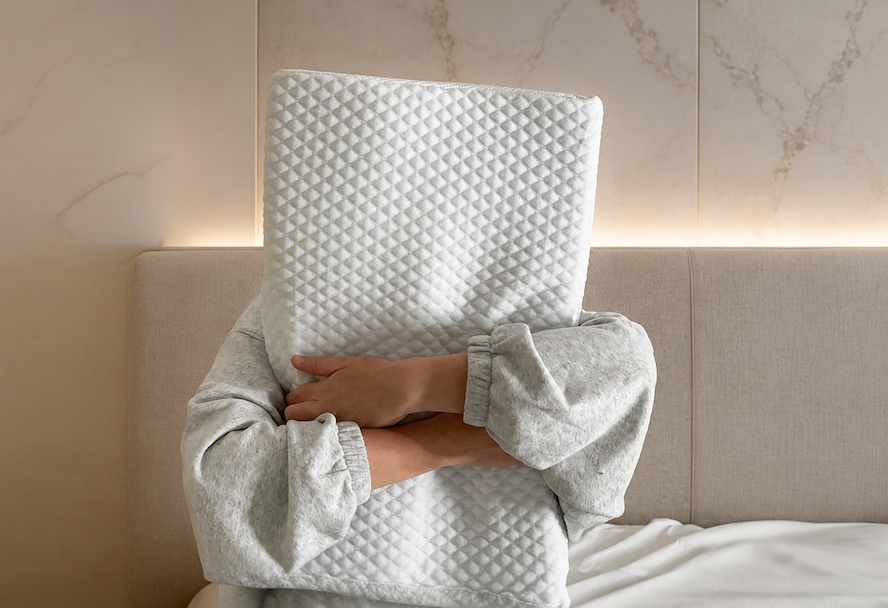
Sleeping on your back is often considered one of the healthiest sleeping positions because it helps distribute your weight evenly across the mattress and encourages your spine to stay in a neutral position. It can also reduce pressure on your shoulders and hips compared with side sleeping. The catch is that you'll only enjoy those benefits if you have one of the best pillows for backsleepers that is the right height. Too high and your chin is pushed towards your chest; too low and your head tilts backwards, putting unnecessary strain on your neck.
Around a third of adults sleep on their back, making it one of the UK's most common sleeping positions. Yet many people continue using pillows designed for side sleepers, which can leave them waking with neck stiffness or poor posture. Choosing a pillow that supports the natural curve of your neck can make a noticeable difference to how comfortable you feel when you wake up.
As a consumer journalist, I've reviewed pillows and sleep products for national publications for years, testing everything from memory foam and latex to ergonomic and adjustable designs. Although back sleeping isn't my natural sleeping position, I tested every pillow in the position it was designed for, spending multiple nights sleeping on my back so I could fairly assess its support, comfort and shape retention.Occasionally, I rolled onto my side, but I started off on my back, and gave extra marks to the pillows that kept me in the position I started the night in. Alongside my own testing, I also considered verified customer reviews and manufacturer specifications to identify the pillows that performed consistently well.
How I tested
Every pillow was slept on for multiple nights using the same testing criteria to ensure a fair comparison. Rather than focusing on first impressions, I wanted to know how each pillow performed after a full night's sleep.
I assessed how well each pillow maintained a neutral head and neck position, whether it held its shape until morning and how easy it was to change position during the night. I also considered temperature regulation, build quality, ease of washing and overall value for money before comparing my findings with verified customer reviews.
To compare the pillows fairly, I assessed each one against the same criteria:
- Neck and spinal alignment
- Loft and suitability for back sleeping
- Pressure relief
- Comfort throughout the night
- Shape retention
- Temperature regulation
- Quality of materials and construction
- Ease of washing and maintenance
-
Overall value for money
How to choose the best pillow for back sleepers
The best backsleeper pillow supports the natural curve of your neck without pushing your head too far forwards or letting it fall backwards. Unlike side sleepers, who usually need a higher loft to fill the gap between their shoulder and the mattress, back sleepers generally benefit from a medium-height pillow that keeps their spine comfortably aligned.
The first thing to consider is loft. If your pillow is too thick, your chin will tilt towards your chest, placing unnecessary strain on your neck. If it's too flat, your head will tip backwards, leaving your neck unsupported. Adjustable pillows are particularly useful because they allow you to fine-tune the height until it feels comfortable.
The filling also makes a difference. Memory foam moulds around your head while maintaining support throughout the night, making it a popular choice for back sleepers. Latex offers a slightly bouncier feel and recovers its shape quickly, while fibre-filled pillows tend to feel softer but can flatten more easily over time.
A good pillow shouldn't just feel comfortable when you first lie down. It should still be supporting your neck when you wake up the following morning.

Groove Adjustable Pillow
Rating: 5/5
Size: 60cm x 35cm with petite, standard and tall height options
Firmness: Adjustable
Fill: Ergonomic memory foam
Washable cover: Yes
Best for: Side sleepers and neck pain
The biggest challenge for back sleepers isn't finding the softest pillow, it's finding the right height. There's no one-size-fits-all solution because your body shape, shoulder width and the mattress you sleep on all influence how much support your neck needs. That's why the Groove Adjustable Pillow is available in Petite, Standard and Tall, with removable memory foam layers inside each one, so you can fine-tune the loft until your head and neck feel properly supported.
I found it much easier to dial in than any of the fixed-height pillows I tested. After removing some of the filling, my head rested in a comfortable, neutral position without my chin being pushed towards my chest or my neck feeling unsupported. Once I'd found the right setup, I didn't need to think about it again.
The memory foam moulded around my head without feeling rigid and sprang back into shape each morning, while the larger pillow surface meant I never felt restricted if I shifted position during the night.
Another advantage is temperature regulation. The breathable cover and airflow through the filling meant it stayed noticeably cooler than several solid memory foam pillows, which can trap heat around the back of your head.
If you sleep exclusively on your back, you'll appreciate being able to tailor the loft to suit your build. If, like many people, you occasionally roll onto your side during the night, it's equally easy to add a little more filling for extra height. That flexibility makes it the most versatile pillow I tested and the one I'd recommend to most back sleepers.
Shop Groove ADJUSTABLE PILLOW
Panda Hybrid Bamboo Pillow
Rating: 4.5/5
Size: 60 x 40 x 13cm
Firmness: Medium
Fill: Charcoal-infused memory foam with MicroCloud™ layer
Washable cover: Yes
Best for: Luxury comfort
The Panda Hybrid Pillow feels noticeably more luxurious than a standard memory foam pillow. Instead of sleeping directly on foam, there's a soft MicroCloud layer over the top, which gives it a more cushioned feel while still providing support underneath.
Sleeping on my back, I found it comfortable from the first night. The memory foam gently moulded around my head without feeling restrictive, while the bamboo cover stayed cool throughout testing.
Support was good, although I found the pillow compressed slightly more overnight than the Groove Adjustable Pillow. My head sat a little lower by morning, which wasn't uncomfortable but meant my neck wasn't quite as well supported.
It's beautifully made and backed by a 10-year guarantee, but it also carries a premium price tag. If comfort is your priority, it's an excellent choice. If you're trying to fine-tune your pillow height and need more support, I'd still favour an adjustable design.
Simba Hybrid Pillow
Rating: 4.5/5
Size: 70 x 45cm
Firmness: Adjustable
Fill: Nanocube foam filling
Washable cover: Yes
Best for: Adjustable support
The Simba Hybrid Pillow felt noticeably different from the solid memory foam pillows I tested. The combination of foam and Aerocoil® springs meant my head felt supported without sinking too deeply into the pillow. It had more bounce than traditional memory foam, so it was easy to move around and settle into a comfortable position.
I slept well on it from the first night, although I did end up adjusting the amount of filling three times before it felt quite right for sleeping on my back. Once I'd found the right loft, it supported my neck well and held its shape throughout the night, while still feeling soft enough that it never became uncomfortable.
I also found it stayed cooler than many memory foam pillows thanks to the breathable design. Even after several nights, it never developed that warm, dense feeling that some foam pillows can.
There are a couple of drawbacks, though. Removing and storing the tiny Nanocubes was a bit fiddly, and unlike the Groove Adjustable Pillow, I didn't feel the adjustments made quite as much difference. At around £109, it's also one of the most expensive pillows I tested. It's undoubtedly a comfortable, well-made pillow, but I don't think the extra cost translates into noticeably better sleep.
Otty Deluxe Pure Pillow
Rating: 4/5
Size: 60 x 40 x 10-12cm
Firmness: Medium-firm
Fill: Bamboo and charcoal-infused memory foam
Washable cover: Yes
Best fo: Pressure relief
The Otty Deluxe Pure Pillow has a traditional shape but feels more supportive than many standard memory foam pillows. The charcoal and bamboo-infused foam gives it a slightly fresher feel, while ventilation holes help improve airflow.
Sleeping on my back, I found it supportive without feeling overly firm. It moulded around my head nicely and kept its shape well throughout the night, so I wasn't constantly readjusting it.
I did find the loft a little less forgiving than an adjustable pillow. As it’s not adjustable, if it doesn't feel quite right for your sleeping position, there's little you can do to change it.
That said, it comes in noticeably cheaper than many of the premium memory foam pillows in this guide, making it a good middle-ground option.
Fine Bedding Company Back Sleeper Pillow
Rating: 4/5
Size: Standard
Firmness: Medium-firm
Fill: Smartfil® microfibre
Washable cover: Yes
Best for: Fibre pillow fans
If you don't get on with memory foam, this is one of the best fibre pillows I tested. It has a flatter profile than many traditional pillows, which worked well for sleeping on my back as it kept my head in a comfortable position without feeling overfilled.
I liked how light and breathable it felt. Unlike memory foam, it didn't mould around my head, but it still offered enough support that I wasn't constantly readjusting it during the night. It also recovered its shape well after I'd plumped it up in the morning.
The downside is that it doesn't provide quite the same level of neck support as the foam pillows in this guide. Towards the end of testing, I noticed it had softened slightly, and I found myself wishing for a little more support under my neck. For long-term support I'd choose memory foam over fibre.
Dorma TENCEL™ Memory Foam Pillow
Rating: 4/5
Size: Standard
Firmness: Firm
Fill: Memory foam
Washable cover: Yes
Best for: Firm support
The Dorma pillow was one of the firmest I tested, which might suit some back sleepers. In testing, it kept my head in a stable position throughout the night and never felt like it was collapsing underneath me.
That firmness does come with a compromise, though. Compared with the Groove Adjustable Pillow and the Panda London Hybrid Pillow, it felt less forgiving, and I was much more aware that I was sleeping on memory foam. If you like a softer, more cushioned set-up, this probably won't be your best pillow for backsleepers.
I also found the fixed loft a little limiting. While the height suited me reasonably well, there was no way of fine-tuning it.
Snuggledown Luxurious Back Sleeper Pillow
Rating: 3.5/5
Size: Standard
Firmness: Medium
Fill: Hollowfibre
Washable cover: Yes
Best for: Budget buyers
For the price, I was pleasantly surprised by the Snuggledown pillow. It's soft, comfortable and specifically designed for back sleepers, with a lower profile than many standard fibre pillows.
I slept comfortably on it for the first few nights, and it felt much better suited to back sleeping than a deep, overfilled pillow. It was also lightweight and easy to fluff back into shape each morning.
However, it simply couldn't match the support of the memory foam options in this guide. As the nights went on, I noticed it compressed more quickly and needed regular plumping to maintain the same level of comfort. If you're on a tight budget it's a perfectly good buy, but if neck support is your priority, the Groove adjustable pillow isn’t that much more expensive but offers a huge amount more support.
Comfortzone Memory Cluster Back Sleeper Pillow
Rating: 4/5
Size: 68 x 45 x 11.5cm
Firmness: Firm
Fill: Memory foam clusters
Washable: Yes, the whole pillow is machine washable
Best for: Affordable memory foam support
At just £20, the Comfortzone Memory Cluster Pillow is one of the cheapest memory foam pillows for backsleepers that I tested, but it didn't feel as basic as the price suggests. Instead of using a solid block of memory foam, it's filled with memory foam clusters, giving it a softer, more flexible feel while still offering good support.
Sleeping on my back, I found it struck a nice balance between comfort and support. It moulded around my head without feeling too dense, and the clustered filling meant it was easier to move around than some of the solid memory foam pillows in this guide.
The biggest difference compared with the more expensive pillows was consistency. I found the filling shifted slightly overnight, so I occasionally needed to give it a quick shake to redistribute it before getting into bed. It also retained a little more warmth than the Groove and Simba pillows. It’s excellent value for money but you get what you pay for, as it’s lacking in premium features like heat regulation and contoured support.
Verdict: What is the best pillow for back sleepers to buy?
The Groove Adjustable Pillow is the best backsleeper pillow because it lets you tailor the height to suit your body. Even small changes in loft can make a big difference to neck support when you sleep on your back, and I found it much easier to get comfortable than any of the fixed-height pillows I tested. Once I'd adjusted the memory foam layers, it stayed supportive all night, felt cool to sleep on and worked just as well when I occasionally rolled onto my side.
If you're after something softer, the Panda Hybrid Bamboo Pillow offers a plush feel without sacrificing support. The Comfortzone Memory Cluster Back Sleeper Pillow is excellent value, but just be aware that it doesn’t offer as much support as a pillow made entirely of memory foam and there’s no ergonomic shape to keep the spine aligned.