

The Reality Of Menopause And Sleep
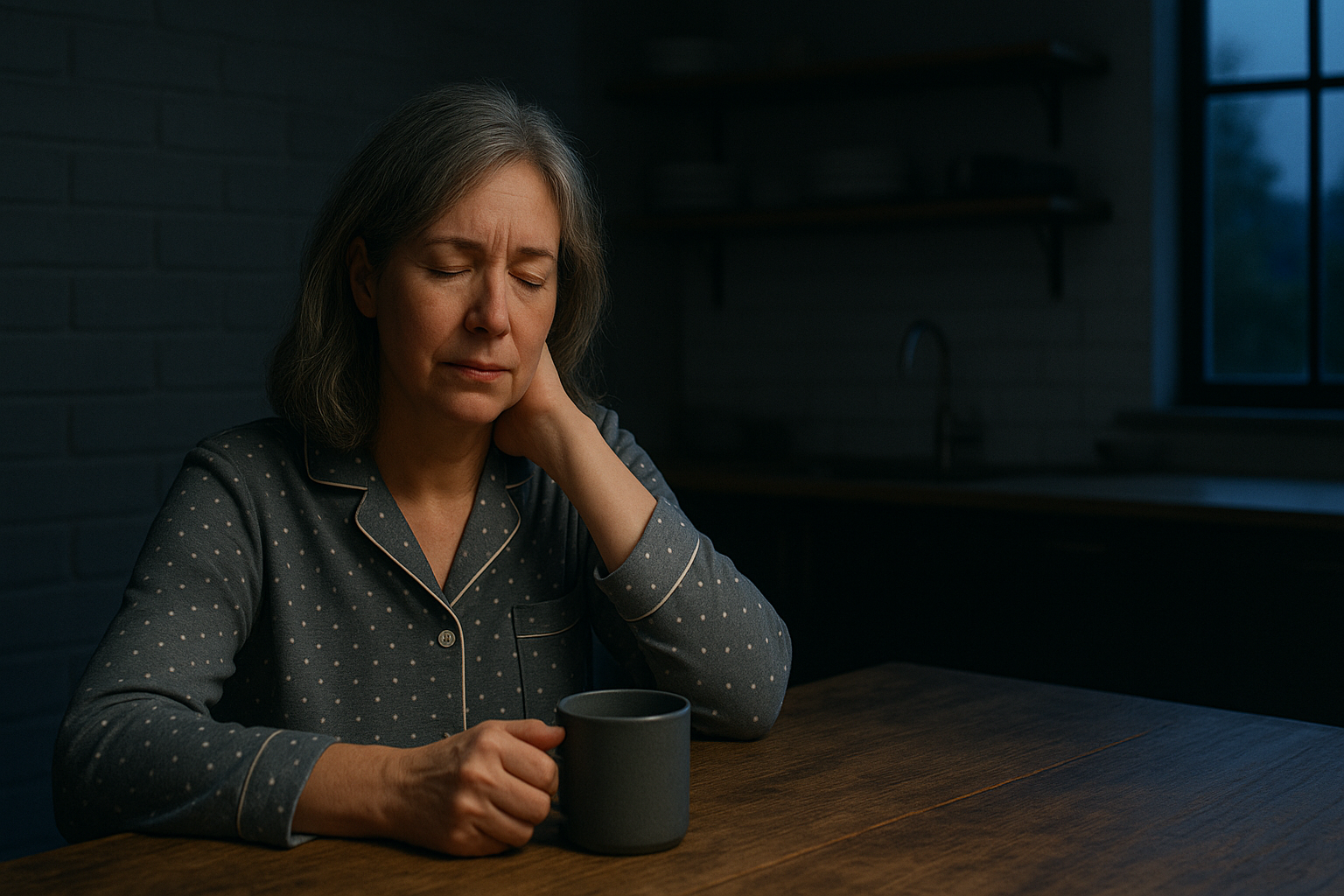
For years, sleep issues during the menopause were often brushed off as something temporary. A few bad nights here and there, nothing to worry about. But in recent years, the menopause is finally getting the attention it deserves, women shouldn't have to suffer through it with poor sleep.
At Groove, we surveyed our community to better understand what’s really going on with women’s sleep right now.
The findings were hard to ignore, 4 in 10 women rate their sleep as poor or very poor, and 60% say their sleep is worse than it used to be.
When we looked deeper, menopause came up again and again as a key factor, in fact 6 in 10 women say they’ve experienced how menopause affects their sleep themselves.
This isn’t just about getting older or having the odd restless night, it’s a consistent pattern showing how closely menopause and sleep are connected.
Does Menopause Affect Sleep?
As hormone levels shift as women enter the menopause, particularly oestrogen and progesterone, the body’s natural sleep rhythm changes too. Sleep becomes lighter, more fragmented, and easier to interrupt.
For many women, this doesn’t happen overnight, it builds gradually, which is why it can be difficult to pinpoint at first and many women don't make the immediate link.
However, over time most do put two and two together, with 2 in 3 women aware of the link between menopause and sleep disruption.
That’s a concerning mindset, especially when you consider how many women are affected. At the same time, there are signs things are starting to change. Around 25% of women told us they are actively looking for more information or support around the link between menopause and sleep.
Does Menopause Cause Insomnia?
A common question is does menopause cause insomnia or can menopause cause insomnia. For many women, the answer is yes, but it doesn’t always look how you’d expect.
Menopause insomnia often shows up as waking during the night rather than struggling to fall asleep. You might wake at 2am or 3am and find it difficult to drift back off. There’s rarely just one reason behind it.
From our survey, 1 in 4 women said they’re kept awake by emotional or mental health factors, while 50% linked their sleep problems to pain.
Hormonal changes are part of the picture, but they often sit alongside stress, discomfort, and other factors that build over time.
Why Are Hot Flashes Worse At Night?
Hot flashes are one of the most talked-about symptoms of menopause, and they’re a major reason sleep gets disrupted.
The reason why hot flashes are worse at night is due to how your body regulates temperature. At night, your body naturally cools down to prepare for sleep. During menopause, that process becomes more sensitive, so even small changes can trigger a sudden feeling of heat.
That heat can wake you up, sometimes multiple times a night, breaking your sleep cycle and making it harder to feel properly rested the next day.
Does Menopause Make You Tired?
When sleep is disrupted night after night, your body isn’t getting the deep, restorative rest it needs, so yes as a byproduct, menopause can make you feel more tired.
Less time in deep sleep and more time waking means your body isn’t recovering properly. Over time, that shows up as lower energy, reduced focus, and a general feeling of being more run down than usual.
How Long Does Menopause Insomnia Last?
One of the biggest uncertainties for women is timing, how long will poor sleep last during menopause?
For some, sleep disruption is a shorter phase that improves as hormone levels settle. For others, it can come and go over a longer period. What we do see from the survey is that many women experience a gradual decline in sleep quality, rather than a sudden change.
In our survey, 60% of women said their sleep is worse than it used to be, highlighting how it can be slow shift that builds over time.
Starting With Sleep
For many women, menopause becomes the point where sleep can no longer sit in the background. It becomes something that needs attention, not in an overwhelming way, but as a starting point.
When sleep improves, everything else tends to follow as a result, more energy, better mood, and the ability to stay consistent with healthy habits all become easier.
If your sleep has changed as you've entered perimenopause and menopause, it’s worth looking at the small things that support better rest. Comfort and alignment during the night play a bigger role than most people realise, especially if pain is part of the picture.
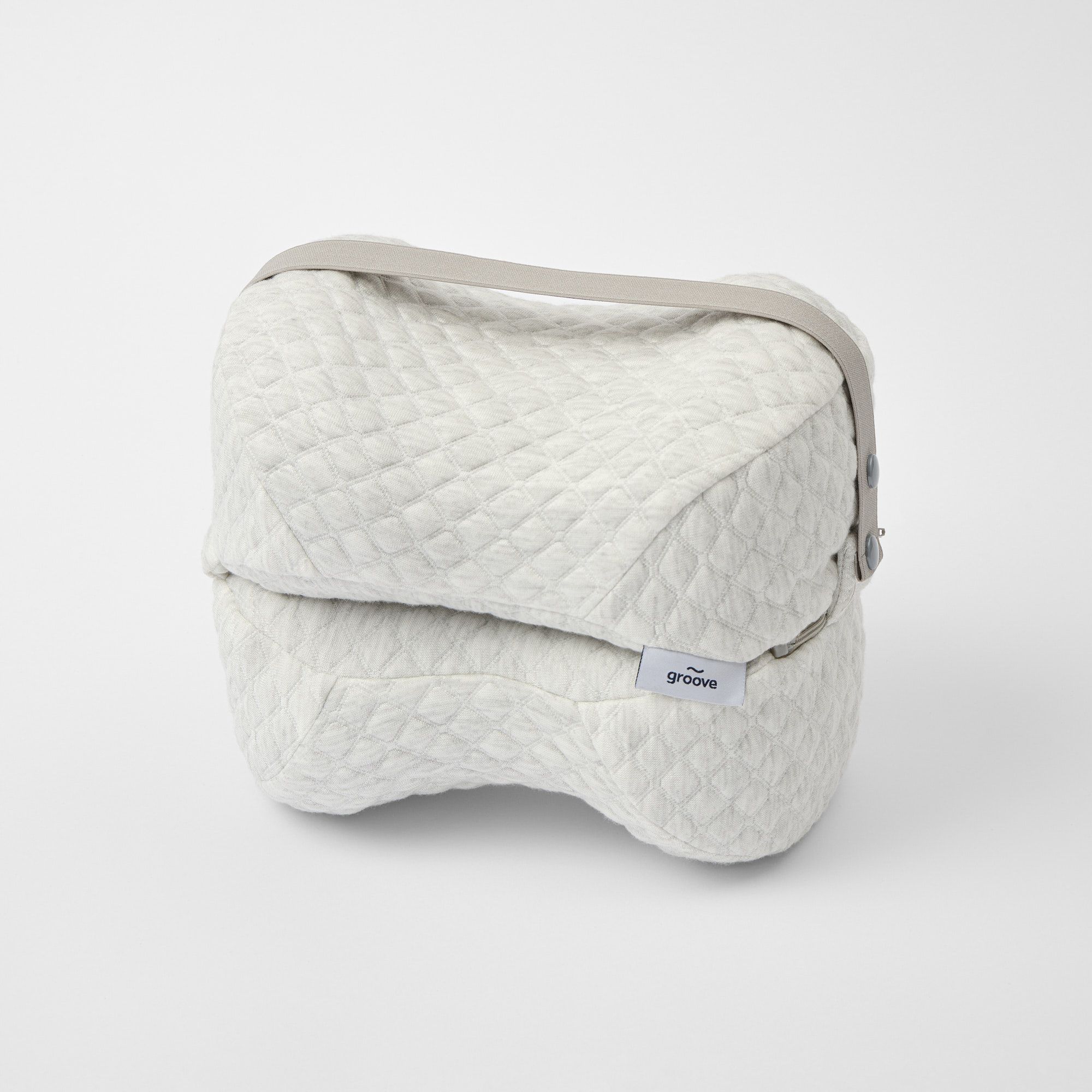 Shop Groove Combination Pillow
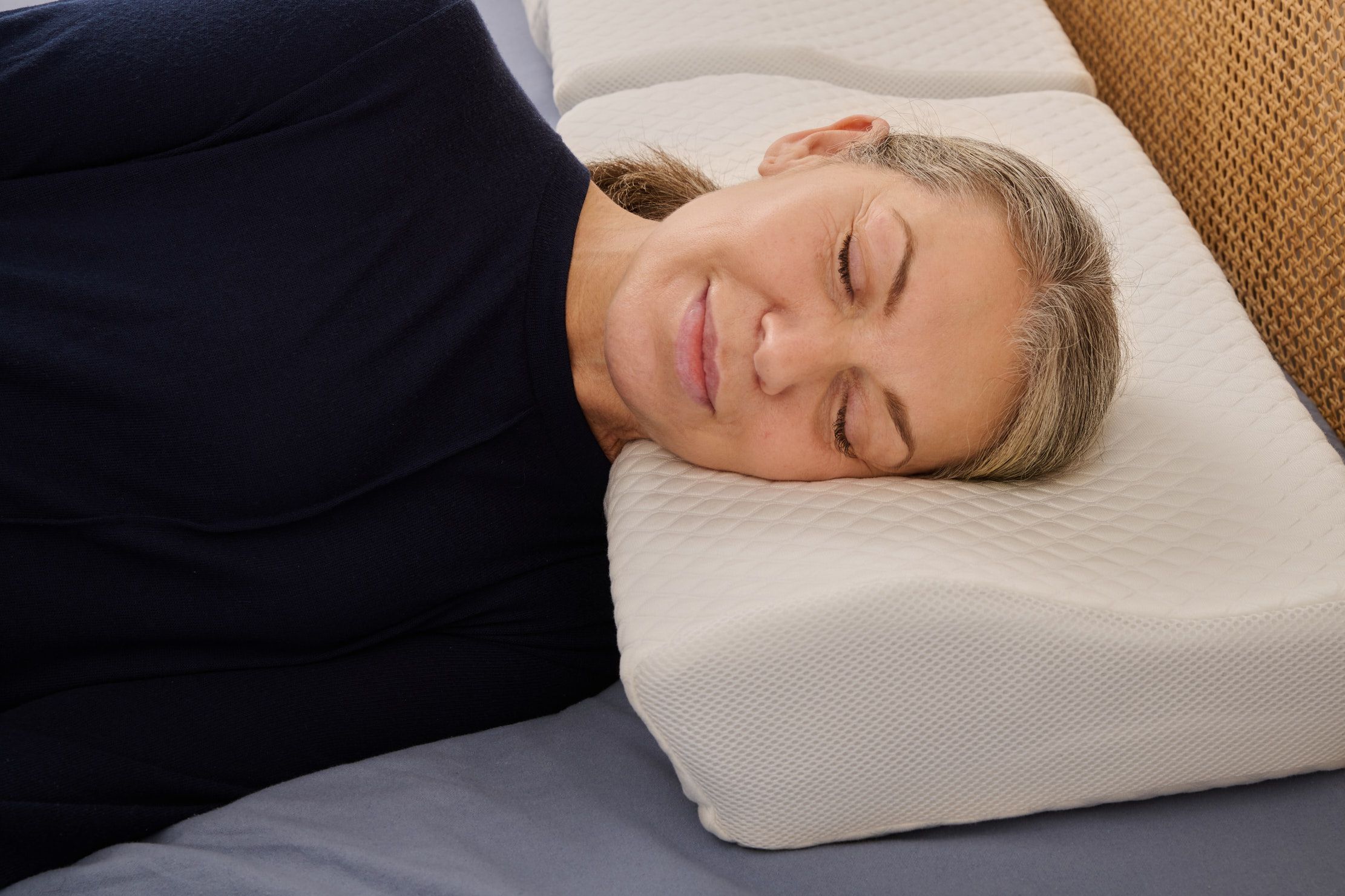
Products like the Groove Adjustable Pillow are designed to adapt to your sleeping position, helping support your neck properly as your body changes.
For those dealing with lower back, hip, or pelvic discomfort, the Groove Adjustable Combination Knee Pillow can help reduce pressure and improve alignment through the night.
Pillows aren't the answer to all your menopause related issues, but they address one of the key things many women in our survey pointed to, feeling physically comfortable enough to actually stay asleep.
Shop Groove Pillows