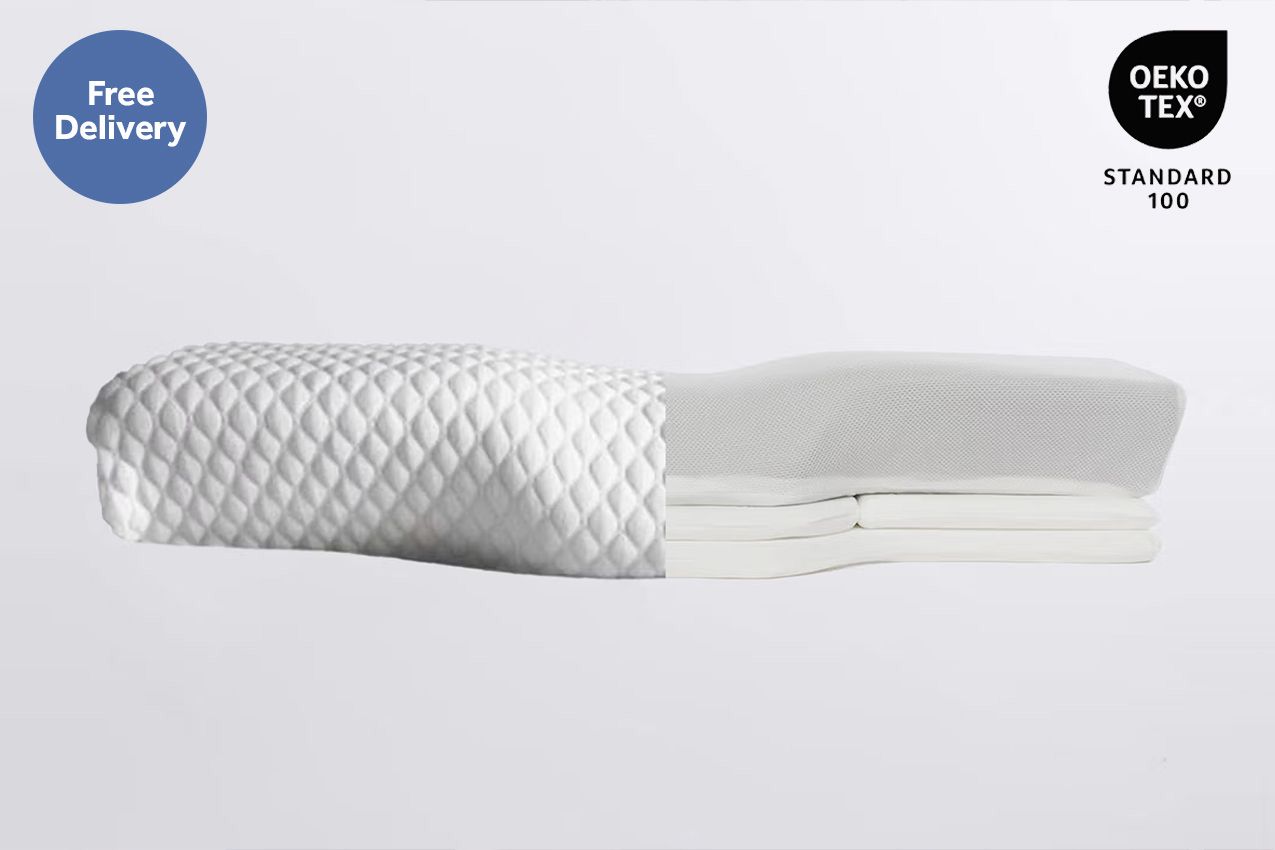
Neck Pillows Compared
Author: Zoe Griffin
We round up our pick of pillows on the market in 2026 to see which is the best one for a restful night's sleep.

Morning neck tension, the kind that has you stretching or rolling your shoulders before you’re fully awake, is often linked to your pillow rather than anything you did the day before.
The problem is that once you start looking for help with a specialist neck pain pillow, you’re met with an overwhelming number of options.
Memory foam, orthopaedic shapes, cooling fills, hybrid designs, every brand claims to offer the best pillow for neck pain, and many of them sound convincing.
As a journalist, I’ve tested a lot of pillows over the years and spent hours researching what they’re made of, how they’re meant to work and what support they offer the head while I’m sleeping.
What I’ve found is that some genuinely help, others suit certain sleepers better than others, and many only show their strengths and limitations after a few weeks of use.
If you know that you need a supportive pillow, but don’t know where to start with the Groove® Adjustable Pillow vs the likes of Kally Sleep, Tempur, Simba and Emma, you’re in the right place.
I’ve tried some of the most popular options and spent time researching how neck pain pillows are designed, to help you weigh up what’s most likely to support a more comfortable night’s sleep.
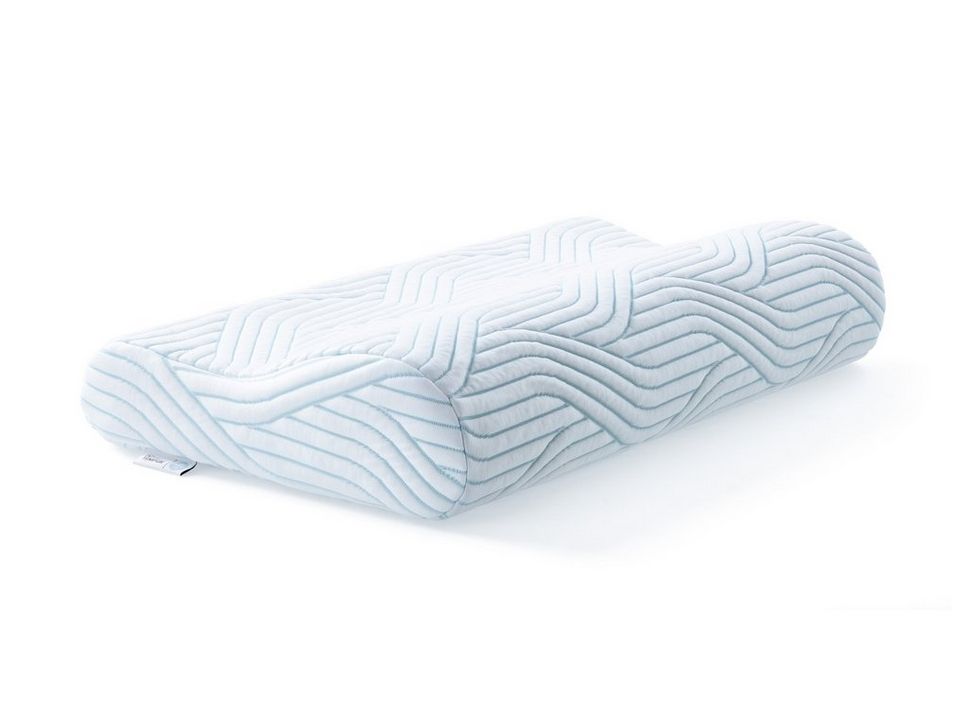
1. Tempur Neck Pillow
Price: £149.00
Material: Memory foam with polyester/elastane cover
Pros: Moulds to shape, contoured neck support, supportive feel
Cons: Expensive, too firm for some, not ideal for hot sleepers
Tempur is one of the biggest brand names for supportive sleep products, so I couldn’t wait to try this pillow out for myself.
I found that the foam is dense and slow-responding, moulding closely to the shape of my head and neck.
Once settled, it creates a very stable sleeping position, which can be reassuring if you like feeling firmly supported.
What sets Tempur apart is how well it holds alignment through the night.
I noticed less movement and fewer position changes, particularly when sleeping on my back.
The contoured shape does exactly what it’s designed to do, keeping the neck in a neutral position.
That said, it’s not for everyone.
The firmness takes getting used to, and the fixed shape means there’s little flexibility if the height doesn’t suit your body.
Memory foam also runs hot and I imagine this might cause some front sleepers to overheat.
If the shape of the TEMPUR pillow suits your body then it might work for you, but it’s an expensive item to buy if you’re not entirely sure it will.
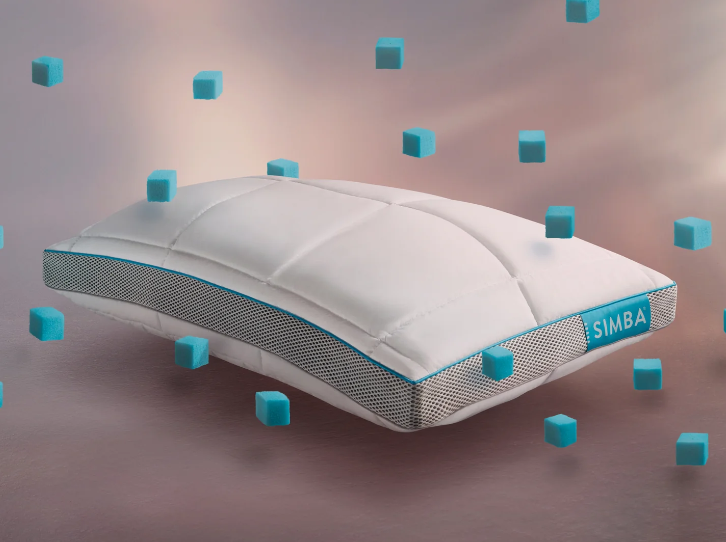
2. Simba Hybrid Pillow
Price: £109.00
Material: Aerocoil micro springs, polyester fibre fill, cotton cover
Pros: Adjustable height, good airflow, responsive feel
Cons: Expensive, needs constant tweaking, blue cubes get everywhere
The Simba Hybrid is one of the most talked-about pillows for neck support, and I was curious whether the micro-spring design would feel noticeably different to standard memory foam.
Sleeping on it, the first thing I noticed was how buoyant it felt.
There’s a gentle lift under the head rather than the slow sink you get with foam, which made it feel responsive when I changed position during the night.
Being able to remove or add height by taking out small blue coloured cubes of memory foam eventually helped me find a setup that worked for both side and back sleeping, which isn’t always easy with a single-loft pillow.
That said, I did manage to drop some of the blue cubes, which were then found by my toddler and scattered around the house, which was annoying.
Overall, this pillow stayed cooler than expected throughout the night, which will appeal if you tend to overheat.
Where it falls short is consistency, as, over several nights, I noticed the hybrid filling compressed and shifted slightly, meaning the support didn’t always feel identical.
This leaves side sleepers in particular without the consistent loft they need to keep the neck aligned.
It’s a comfortable pillow, but it’s lacking in cervical alignment
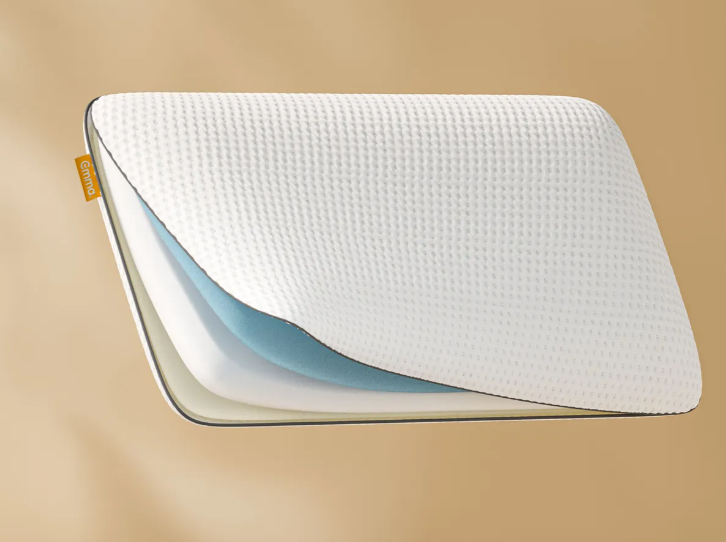
3. Emma Original Pillow
Price: £55.00
Material: Memory foam layers with Airgocell breathable foam, polyester cover
Pros: Breathable foam, initial comfort, adjustable support
Cons: Less structured, no contouring
The Emma Original Pillow comes up frequently in discussions around the best pillow for neck pain, largely because of its adjustable design and focus on breathability.
Rather than a single block of foam, it’s made up of removable memory foam layers, which allows you to change the height depending on how you sleep.
On paper, that flexibility makes it appealing for people who move between back and side sleeping.
The inclusion of Airgocell foam is what sets it apart from many standard memory foam pillows.
It’s designed to improve airflow and reduce heat retention, which is a common complaint with denser foams.
Reviews suggest this makes the pillow feel lighter and cooler through the night compared with more traditional designs.
Where it may fall short is structure.
Without a contoured shape, support relies heavily on getting the layer combination right, and some users report that the foam compresses over time.
It’s a good all-round option for comfort and adjustability, but less targeted than pillows designed specifically around neck alignment.

4. Kally Sleep Neck Pain Pillow
Price: £49.99
Material: Memory foam
Pros: Affordable price, softer memory foam
Cons: Loses firmness, Limited longevity, not adjustable
Kally positions itself as an affordable orthopaedic pillow, with a distinctive butterfly-shaped design intended to support the neck while allowing the shoulders to sit comfortably beneath it.
Rather than a flat or traditional contour, the shape features raised edges and a central dip, designed to keep the head aligned while relieving pressure through the neck and shoulders.
Although I didn’t test this pillow personally, I spent time researching its design and reading customer reviews.
It’s clear that it has softer memory foam, which sets it apart from firmer orthopaedic options, making it feel less intimidating for people who are new to shaped pillows or wary of anything too rigid.
The butterfly shape is particularly geared towards back sleepers, where the central dip can help prevent the head from tipping forward.
A trade-off is firmness and durability, since the foam is softer and could be more prone to compressing over time, especially for side sleepers who need more height and structure.
Also, it’s not customisable, so some head shapes will benefit better from its butterfly shape than others.
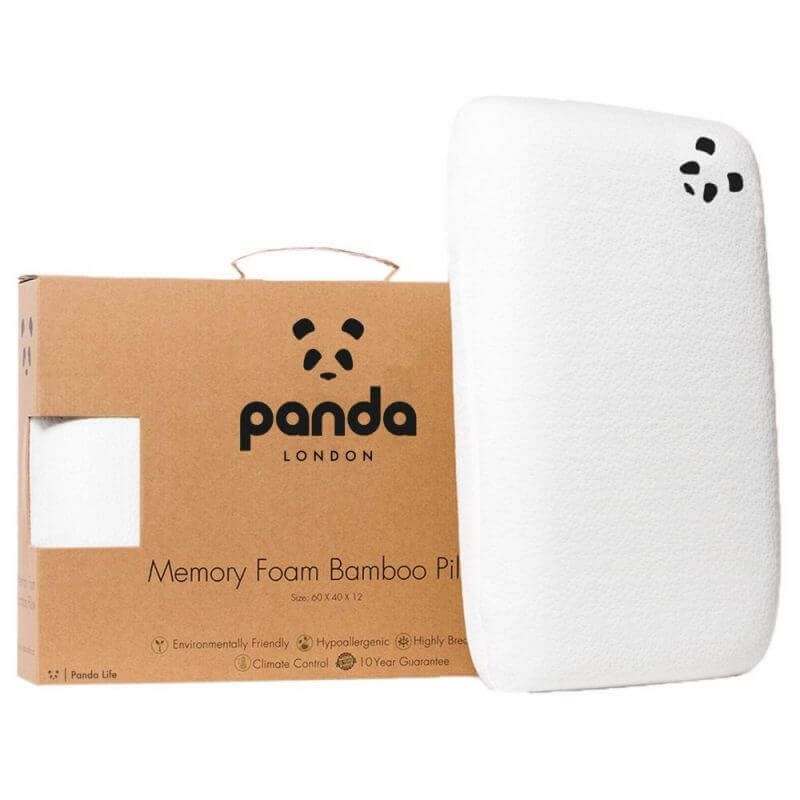
5. Panda Memory Foam Pillow
Price: £44.95
Material: Memory foam with 70% bamboo, 30% polyester cover
Pros: Soft feel, breathable cover, orthopaedic-grade memory foam
Cons: Compresses overnight, less structured, limited support
The first thing that struck me about the Panda bamboo memory foam pillow was the cute panda on the cover, which was a cute touch.
I tried this one out over a few weeks and thought it felt softer and more forgiving than many memory foam options, which made it one of the most immediately comfortable to sleep on.
The bamboo cover adds breathability, and I found it stayed cooler than denser foams over the course of the night.
The downside is that it’s not ergonomically shape, so the support comes from the memory foam.
As the night goes on, the foam has a tendency to compress, particularly for side sleepers like me.
By morning, I noticed my neck wasn’t as well supported as it had been at bedtime.
Panda is a good option if comfort is your top priority, but it may not provide enough consistency if you’re dealing with frequent or severe neck tension.

6. Cloudpillo Original Pillow
Price: £67.95
Material: Polyester microfibre fill with a cotton cover
Pros: Adjustable softness, easy to reshape
Cons: Not very firm, settle overnight, limited structure
What sets the Cloudpillo apart is its focus on adjustable softness rather than structure.
Instead of foam or a fixed shape, it uses a cloud-like microfibre fill that can be added or removed to change the height, making it easy to tailor to how you sleep.
I tested the Cloudpillo over several weeks and found it immediately comfortable.
The fill compresses gently under the head, creating a soft, sink-in feel that never felt restrictive.
For side sleeping, that flexibility helped my neck feel relaxed rather than pushed into position.
It was also easy to reshape during the night, which suited me on nights when I moved around more.
Where it falls down is long-term support.
Rather than a pillow that’s easy to adjust in the night, I’d prefer a pillow that helped me stay asleep.
On several occasions, the loft settled down in the night and always felt lower by morning, meaning that my neck didn’t always feel as well supported as it had at bedtime.
Its also a little expensive for a pillow with a microfiber, not memory foam, filling.
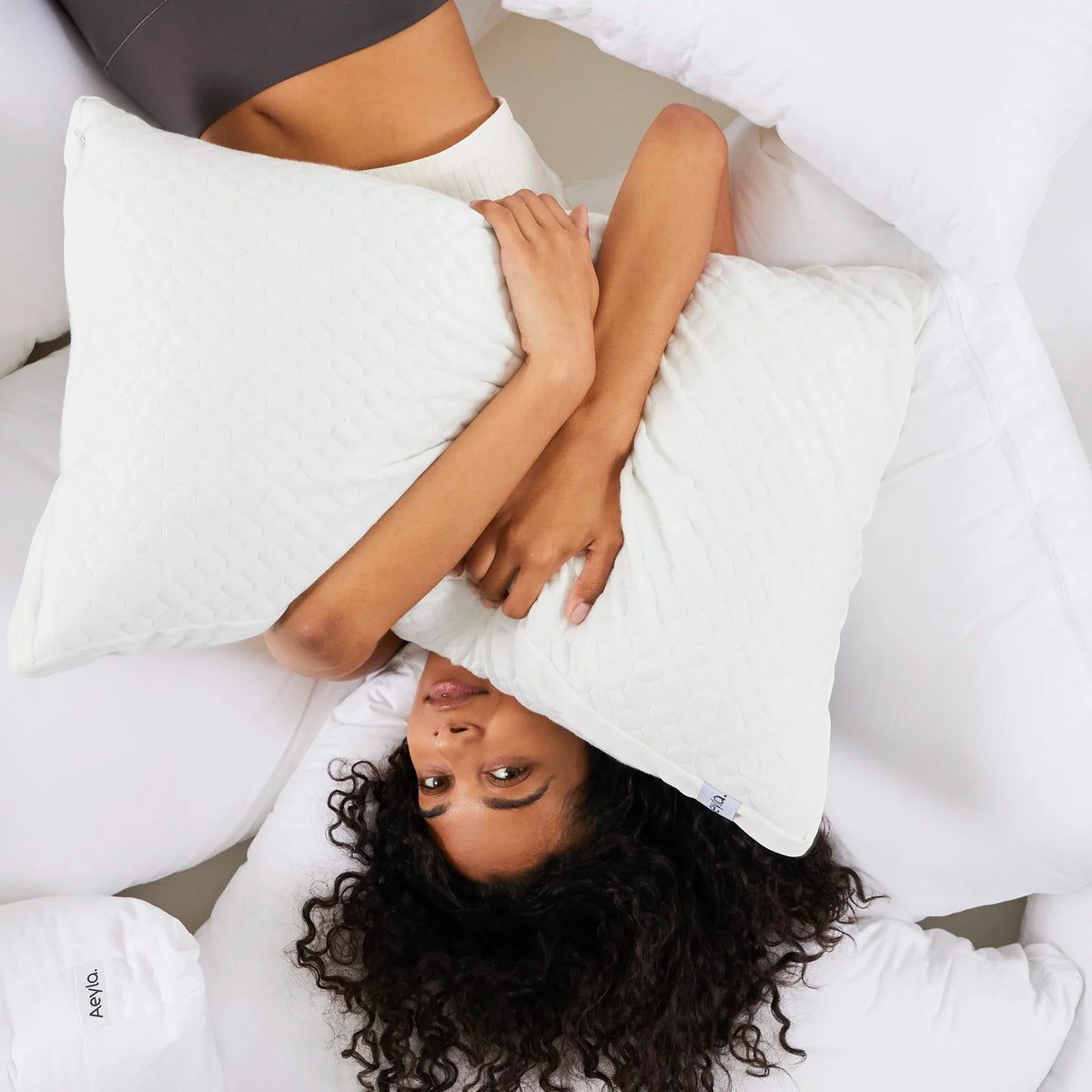
7. Ayela Adjustable Pillow
Price: £69
Material: Adjustable memory foam mix with cooling gel weave cover
Pros: Cooling cover, adjustable height
Cons: No contouring, lacks firmness
Ayela is one of those pillows that pops up frequently when people search for best pillow for neck pain, and after diving into how it’s made and what users report, a few clear themes emerge.
Its main selling point is the combination of adjustable foam fill and a cooling cover, which means it’s trying to be both supportive and more breathable than standard memory foam.
From what I’ve seen and read, the adjustability gives it an edge over single-loft pillows, as you can add or remove fill to suit your preferred height and sleep position, which is a big factor for neck comfort.
The cooling layer also seems genuinely effective for keeping things feeling less heat-trapped through the night.
Where opinions diverge is firmness and long-term shape retention.
Some people find the foam collapses more quickly than they’d like, particularly after a few months of use, which can make the neck feel slightly lower than when the pillow was new.
 Shop Groove® Adjustable Pillow
Why The Groove® Adjustable Pillow Is The Best Neck Pain Pillow For 2026
6. Groove® Adjustable Memory Foam Pillow 2.0
Price: £45.00
I originally tested a Groove® pillow for an article about best pillows for snoring.
As snoring is often caused by restricted airways, due to poor neck support, a pillow that’s good for reducing snoring is also excellent at keeping the neck and spine in a neutral position during the night.
Groove® stands out from pillows for neck pain competitors in that it’s both ergonomically shaped and adjustable.
Most contoured pillows only work if your head, neck and shoulders are a standard size, fitting into the space designed to support the average-shaped person.
Pillows consisting of adjustable memory foam but no contouring offer lovely personalised support at first but often fall flat over time.
With Groove®, the pillow is shaped for personalised support, and this keeps the memory foam in place and working as it should.
The Groove® Adjustable Pillow is super easy to customise so the pillow matches your neck curve, your shoulder breadth and your sleep position.
The contoured shape supports the neck in a neutral position so you are not unconsciously tensing muscles to hold your head up.
Most importantly, if the pillow feels slightly too high or too low, you can change it.
No other ergonomic pillow on the market can offer that level of personalisation.
This personalisation means that your shoulders and upper back naturally fall into an aligned position.
Many people experience neck pain because their shoulders roll forward while they sleep.
Groove®’s combination of contouring and adjustable loft helps keep the shoulder and upper back supported, reducing strain all the way down the spine.