

Why Your Body Starts Aching in Your 30s (And What Actually Helps)
Author, Zoe Griffin
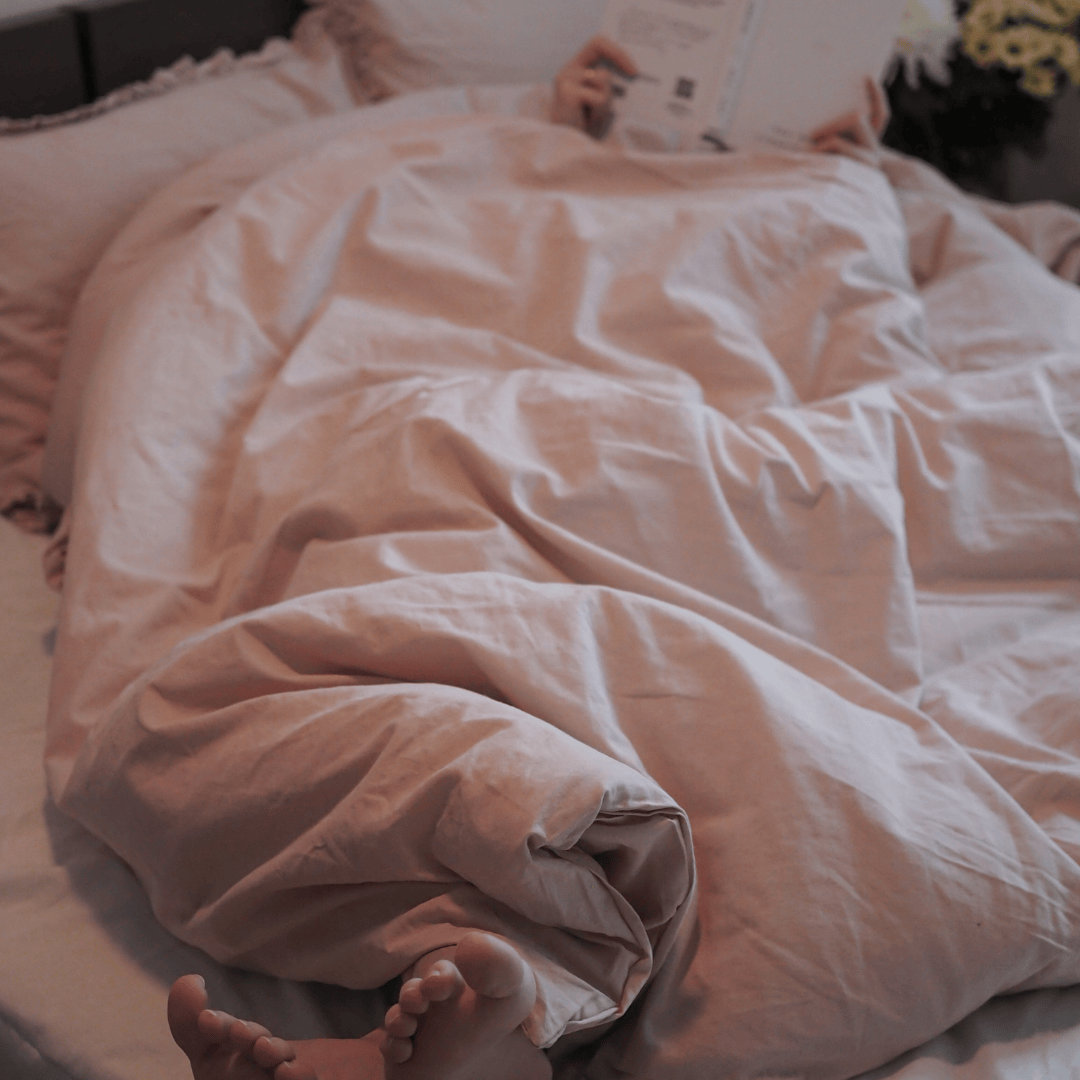
Neck pain, back pain and stiff joints used to be things I associated with my parents and grandparents. I remember them complaining about sore backs, bad knees, or how they’d “slept funny”, and assumed it was all part of getting older.
Then one day, I woke up with a tight shoulder. A few months later, my hips felt noticeably tighter at the start of my runs and took longer to loosen up. It was the moment I realised I’d joined the club of aches and pains in your 30s.
For many of us, our 30s are when small discomforts start to make themselves known. Not because the body is giving up, but because life looks very different to how it did in our 20s. Work is more demanding, days involve more sitting, and stress has a habit of settling into the body.
I’m more than happy to spend time researching skincare because I don’t want to accept ageing without question. But when it came to my body, I realised I’d been much quicker to shrug it off. That didn’t sit right with me.
I love running and feeling strong, so feeling stiff or slow to warm up wasn’t something I wanted to ignore. I started looking into what I could actually do to help, expecting complicated answers and finding instead that small, everyday changes made more difference than I’d imagined.
Why Your Body Feels Different In Your 30s
So why does this tend to happen in your 30s, even when you don’t feel dramatically older? For me, it wasn’t one big change. It was the accumulation of everyday life, despite the fact that I exercise regularly.
I remember asking myself: “Is it normal to have aches and pains in your 20s?” However, back then, they came and went so quickly I barely thought about them. In my 30s, those same aches tend to linger, which makes them harder to ignore.
I started noticing it in small ways. A late night turned into a two-day hangover. A casual run suddenly needed a proper warm-up. A weekend that once felt manageable now took a few days to recover from.
Long days sitting, sleeping in the same position night after night, and carrying tension without realising it all add up over time. Sleep starts to matter more too. Positions that once felt comfortable no longer feel supportive, and I began waking up already achy.
It’s why so many people have that sudden thought of all my joints hurt suddenly, when in reality it’s usually small things building up. And just as importantly, it means those aches can often settle again once you start paying attention to what your body needs.
Common Aches & Pains People Notice
So what are normal aches and pains of aging?
In your 30s, they tend to follow a few familiar patterns.
Neck and shoulder pain
For me, this shows up as constant tightness rather than sharp pain. My shoulders feel heavy, like they never quite relax, and turning my head can feel restricted after long periods sitting or concentrating.
Lower back pain
Lower back discomfort feels more like ongoing soreness than an injury. It’s worse after being in one position for a while, and it often needs movement before it settles.
Hip stiffness
Hip stiffness was one of the surprises. Standing up, walking, or getting out of the car doesn’t feel as smooth as it once did. It’s easy to see why searches like joint pain in a 30 year old female are so common, because it feels unexpected at this stage of life.
General muscle soreness
Muscles feel achy more easily than they used to, even after a running distance or gym session I’ve done several times before. Recovery takes longer, and my body feels heavier after busy days.
Waking up already feeling uncomfortable
This is the most noticeable change. Waking up already aware of my body, instead of easing into the day, is what finally made me stop and pay attention.
The Sleep–Pain Connection
I started to notice that my aches were loudest first thing in the morning. I’d go to bed feeling fine, then wake up wondering why everything felt sore already.
It’s easy to blame running, a long walk, or carrying a child if you have one. But those things take up a small part of the day. Sleep lasts seven to nine hours, and that time adds up quickly.
If your body isn’t well supported overnight, muscles don’t fully relax. That can also lead to broken sleep, even if you don’t remember waking. I only realised how restless my nights were after checking the data on a smartwatch, something many people notice with wearables like WHOOP or Oura.
Sleep positions that once felt comfortable can start to feel less forgiving, especially for side and back sleepers. Without the right support, the neck and spine can sit at awkward angles for hours.
If you can find a pillow that better supports sleep, you should record fewer wake-ups and start the day with less tension.
Small Changes That Actually Help Aches & Pains
As aches and pains in your 30s become more noticeable, you might be looking for ways of relief. Here are a few things that worked for me:
Sleep posture
Paying attention to how I fell asleep and woke up made a difference. Small changes to pillow height and head support helped sleep feel less strained without forcing me into a new position.
Gentle movement
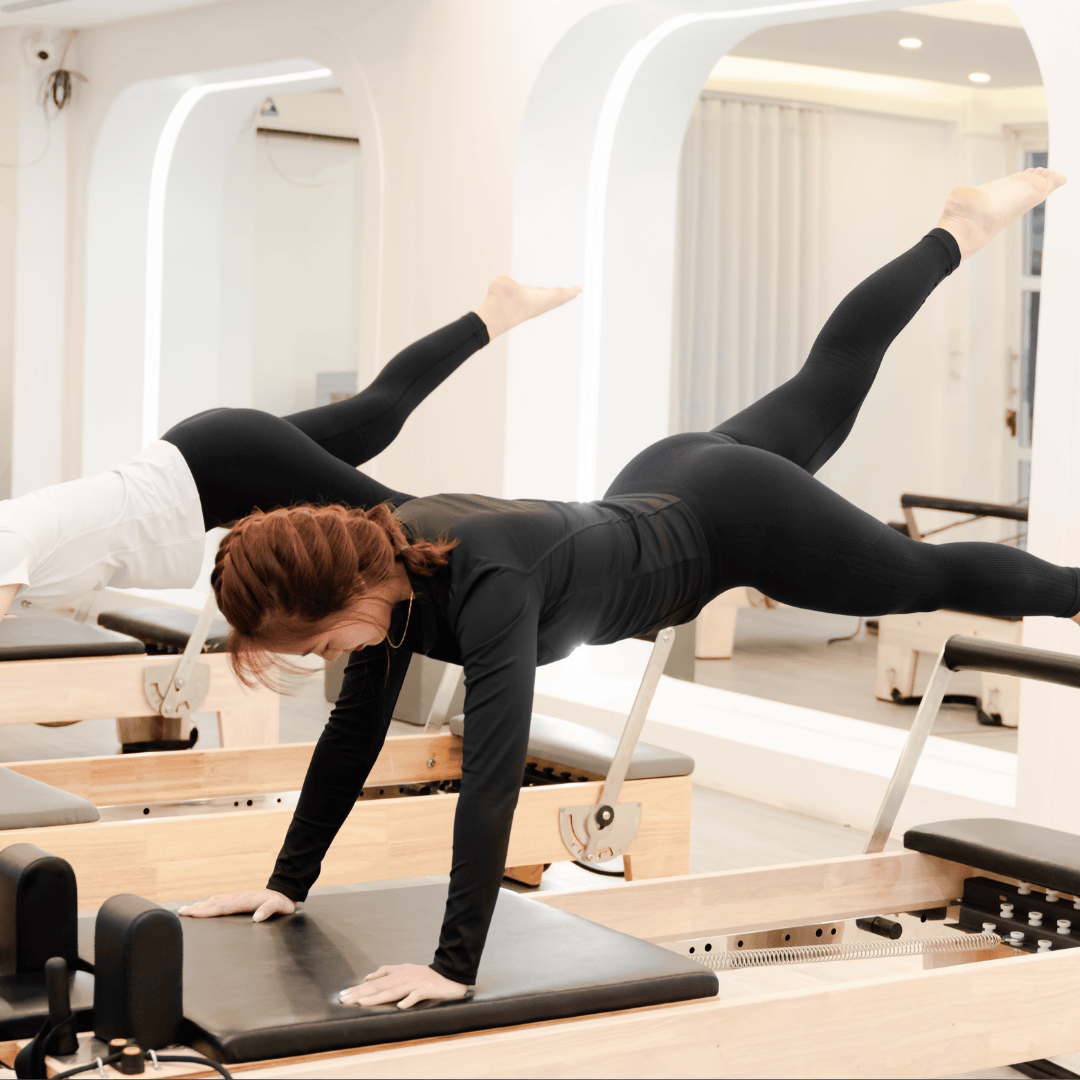
I didn’t add more workouts. Stretching when I got up, moving more during the day, and loosening off in the evening helped my body feel less locked up.
Stress and tension
I also became more aware of how much tension I was carrying. Checking in during the day and consciously dropping my shoulders or unclenching my jaw helped more than I expected.
Overnight support
Looking at what was supporting my neck and spine overnight was one of the simplest changes.
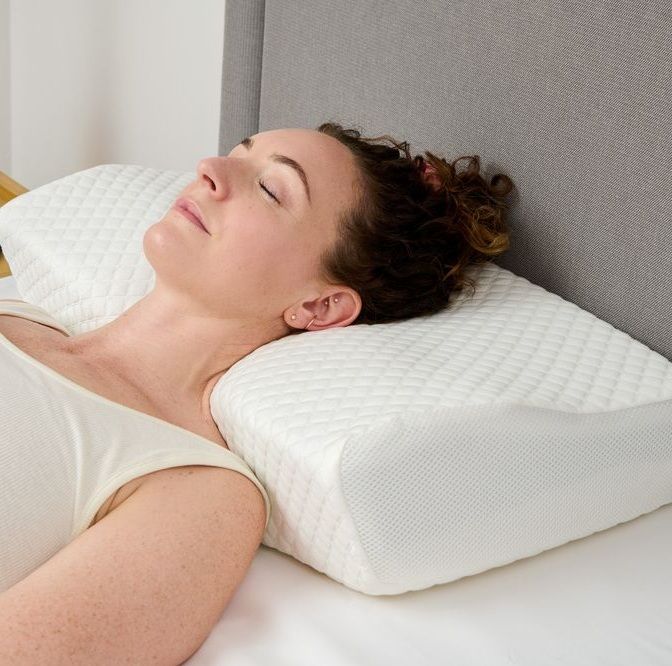
A search for “Best pillows for neck pain” led me to Groove Pillows, which are designed to support the natural curve of the neck and keep the head in a more neutral position for sleep.
When my neck felt better supported overnight, I woke up with less tension and fewer aches.
Shop Groove PillowsHow The Right Pillow Can Make A Difference
A pillow is easy to overlook, but once aches become more noticeable, it’s worth paying attention to what it’s actually doing while you sleep.
When a pillow is too high, too flat, or has lost its shape, the neck can sit at an awkward angle for hours. The muscles then have to work to support the head through the night, which often shows up as stiffness or aches by morning.
Pillows designed with alignment in mind, such as those from Groove, aim to support the neck properly and reduce that overnight strain, particularly for side and back sleepers.
Over time, that added support can make mornings feel noticeably easier on the body.
Final Words
If you’re asking: is it normal to have aches and pains in your 20s? Or if you’re in your 30s and noticing more aches than you used to, you’re not alone. For many people, their late 20s and early 30s is the point where the body stops brushing things off as easily.
Often, the first place you notice it is sleep. You wake up a little slower, or something feels slightly off until you’ve moved around. It’s subtle, but it sticks.
Sleep is also one of the easier things to tweak. You can’t always control busy days or stress, but you can pay attention to how supported you feel at night.
If you’re curious whether better support could help, it may be worth looking at pillows designed to work with how you actually sleep, such as those from Groove.